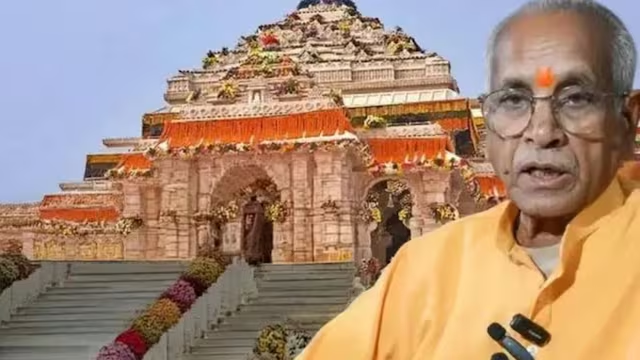

Harishchandreshwar Temple is a significant religious site located on Harishchandragad, a hill fort in the Ahmednagar district of Maharashtra, India. It is situated in the scenic surroundings of the Western Ghats, at an elevation of about 1,422 meters (4,665 feet) above sea level.
The temple is dedicated to Lord Shiva and is considered one of the ancient and revered pilgrimage destinations in Maharashtra. It holds immense religious and mythological significance, attracting devotees, trekkers, and nature enthusiasts alike.

Harishchandragad is known for its historical and architectural significance, with the temple being one of its prominent attractions. The temple showcases the unique Hemadpanthi architectural style, which was prevalent during the 13th and 14th centuries in the region. This architectural style is characterized by the use of locally available black stones and intricate carvings.
The temple complex consists of the main sanctum dedicated to Lord Shiva, along with other smaller shrines dedicated to various deities. The main sanctum houses the idol of Lord Harishchandreshwar, an incarnation of Lord Shiva. The idol is believed to be self-manifested (svayambhu) and holds great reverence among devotees.

Apart from its religious significance, Harishchandreshwar Temple is also renowned for its natural beauty and panoramic views. The fort offers breathtaking vistas of the surrounding Sahyadri mountain ranges, deep valleys, and lush green landscapes.
Visiting the temple usually involves a trek to the Harishchandragad fort, which is a popular activity for adventure enthusiasts. The trekking route is known for its challenging terrains, rocky patches, and scenic trails. It provides a memorable experience for those seeking adventure and spirituality in the lap of nature.

Devotees and visitors often participate in religious rituals, offer prayers, and seek blessings at the temple. The serene and peaceful environment around the temple adds to the spiritual ambiance, making it a place of solace and devotion.
Harishchandreshwar Temple on Harishchandragad is a testament to the rich cultural and religious heritage of Maharashtra. It not only attracts devotees but also captivates travelers with its natural beauty and historical significance, making it a must-visit destination for those exploring the region.

The history of Harishchandreshwar Temple and Harishchandragad dates back several centuries. The exact origins of the temple are not well-documented, but it is believed to have been built during the medieval period.
Harishchandragad, the hill fort on which the temple is located, has a rich history associated with various dynasties and rulers. It was ruled by the Mauryas, Satavahanas, Shilaharas, Yadavas, and Mughals at different times throughout history.

The temple’s architecture reflects the Hemadpanthi style, which was popular in Maharashtra during the 13th and 14th centuries. This architectural style was influenced by the Yadava dynasty and is characterized by the use of locally available black stones and intricate carvings.
Harishchandragad was also known for its strategic importance as a hill fort. It served as a stronghold and provided a vantage point for various dynasties in the region. The fort witnessed several battles and sieges over the centuries.

The temple and the fort were associated with the medieval saint Changdev Maharaj, who is believed to have meditated and composed devotional songs in this sacred place. His influence and teachings contributed to the spiritual significance of Harishchandreshwar Temple.
Throughout history, Harishchandragad and its temple experienced periods of neglect, destruction, and restoration. The fort and the temple faced invasions and attacks by different rulers, including the Mughals and Marathas. However, devotees and local communities continued to rebuild and maintain the temple despite the challenges.
Today, Harishchandreshwar Temple stands as a symbol of religious and historical significance in Maharashtra. It attracts pilgrims, trekkers, and nature enthusiasts who seek spirituality, adventure, and natural beauty in the tranquil surroundings of the Western Ghats.

The temple’s history, combined with its architectural beauty and picturesque location, has made it a popular destination for those interested in exploring Maharashtra’s cultural heritage and experiencing the spiritual essence of the region.
Harishchandreshwar Temple is a Hindu temple dedicated to Lord Shiva, located in the hill fort of Harishchandragad in the Ahmednagar district of Maharashtra, India. The temple is built in the Hemadpanti style of architecture, and is one of the most popular tourist destinations in the region.

The temple is believed to have been built in the 11th century by the Yadava dynasty. The main deity of the temple is a Shiva lingam, which is housed in a square-shaped sanctum. The temple also has a number of other deities, including Ganesha, Vishnu, and Surya.
The temple is located at an altitude of 4,670 feet (1,420 m) above sea level. The trek to the temple is challenging but rewarding, and offers stunning views of the surrounding countryside.
The temple is open to the public from sunrise to sunset. The best time to visit the temple is during the spring or autumn months, when the weather is mild.

Here are some additional tips for visiting Harishchandreshwar Temple:
- Wear comfortable shoes and clothing. The trek to the temple is challenging, and you will need to be comfortable.
- Bring water and snacks. There are no shops or restaurants near the temple, so you will need to bring your own supplies.
- Be prepared for the weather. The weather can change quickly in the hills, so be sure to check the forecast before you go.
- Respect the local culture. This is a holy place for Hindus, so be sure to dress appropriately and behave respectfully.


About The Author