
India’s neutral stance in the Russia-Ukraine war, despite intense Western pressure, has proven to be a strategic masterstroke as Donald Trump’s foreign policy increasingly aligns with Russia. In 2022, President Biden criticized India for not siding against Russia, but India’s commitment to strategic autonomy—continuing trade ties and purchasing discounted oil—has strengthened its position globally.
India’s Strategic Autonomy Amidst Western Pressure
When Russia invaded Ukraine on February 24, 2022, India faced immense diplomatic pressure to condemn Moscow. The United States and its allies expected India, as a Quad member (alongside the U.S., Japan, and Australia), to follow their lead in imposing sanctions on Russia. However, India refrained from joining Western sanctions and instead prioritized its national interests by increasing trade with Russia.
Biden openly called India’s response “shaky,” while Western media painted India as complicit in funding Putin’s war. European leaders and American diplomats, including then-Deputy National Security Advisor Daleep Singh, warned India against deepening ties with Russia, suggesting that Moscow would not support India against Chinese aggression. Despite this, India continued to engage with Russia, recognizing its historical partnership and defense dependencies.
Trump’s Return: A New Geopolitical Reality
Fast forward to 2024, Trump’s re-election has shifted U.S. policy priorities. Unlike Biden, Trump has displayed an openly indifferent attitude toward NATO’s role in Ukraine, urging Europe to bear the financial burden of the war. He has even suggested ending U.S. military support for Ukraine while seeking diplomatic engagement with Russian President Vladimir Putin.
For India, this shift underscores the foresight behind its neutral stance. If India had abandoned Russia in favor of the West’s demands, it would have jeopardized its long-standing strategic relationship with Moscow, only to now see the U.S. moving away from Ukraine and softening its stance toward Russia.
The Modi-Putin Connection and India’s Energy Diplomacy
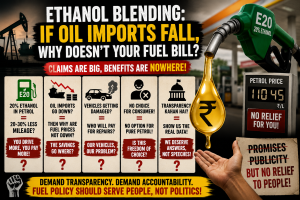
In July 2023, Prime Minister Narendra Modi visited Russia and met with Putin, a move that drew criticism from Ukraine and the West. However, this visit reinforced India’s ability to engage with multiple power blocs without compromising its interests. India has benefited significantly from discounted Russian oil, saving billions of dollars and strengthening its energy security amidst global economic instability.
Western skepticism toward India’s Russia ties is now waning as Trump’s foreign policy leaves Europe isolated. European leaders, once critical of India’s independent stance, are now themselves facing uncertainty over continued American support.

Conclusion: India’s Foreign Policy Validated
India’s decision to remain neutral in the Russia-Ukraine war was not about aligning with any one power but about safeguarding its own interests. With Trump’s policies deprioritizing Ukraine and softening on Russia, India’s diplomatic foresight stands validated. As global dynamics shift, India’s position as an independent power with strategic autonomy has only been reinforced.
India’s Strategic Autonomy Proven Right as Trump Redefines US Foreign Policy
India’s decision to maintain neutrality in the Russia-Ukraine war, despite pressure from the West, now appears justified as Donald Trump’s stance on the conflict aligns more with Moscow. In 2022, the Biden administration criticized India for not siding against Russia, but India’s commitment to strategic autonomy—buying discounted Russian oil and maintaining diplomatic ties—has proved beneficial. With Trump deprioritizing NATO and reducing US support for Ukraine, Europe faces uncertainty, reinforcing India’s independent foreign policy approach.
Tags: #IndiaForeignPolicy, #Trump2024, #RussiaUkraineWar, #StrategicAutonomy, #ModiDiplomacy, #USIndiaRelations, #Geopolitics, #NATOCrisis, #GlobalPolitics, #EnergySecurity
About The Author