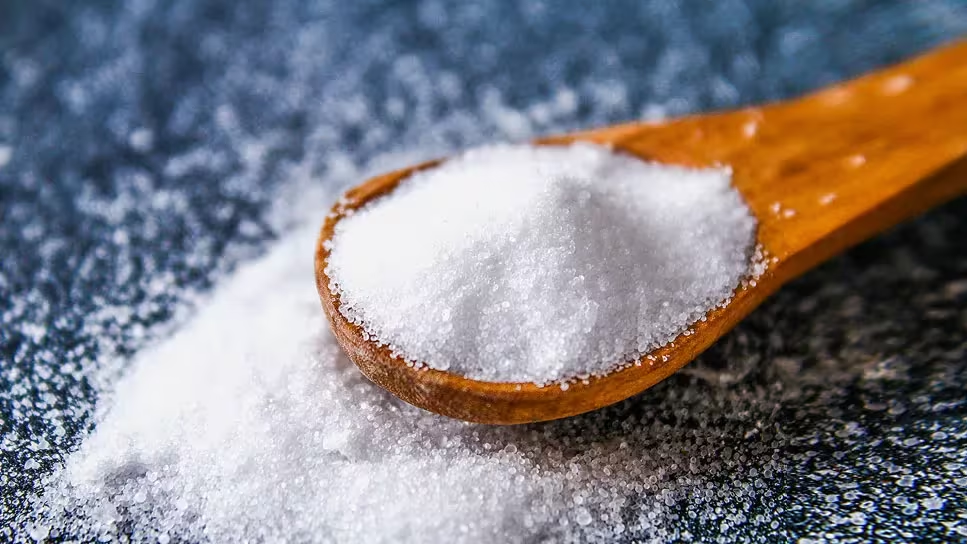
Salt is an essential part of our diet. It enhances flavor, helps balance fluids in the body, and supports proper muscle and nerve function. But just like anything in excess, too much salt can be dangerous—even fatal.
Recent studies from Indian health experts have raised alarms that excessive salt intake may be a “silent epidemic” in the country. It’s time to take this seasoning seriously.
How Much Salt Do You Really Need?
According to the World Health Organization (WHO), an adult should consume less than 5 grams of salt per day—that’s about one teaspoon. However, research from ICMR’s National Institute of Epidemiology shows that most Indians consume far more than that:
- Urban India: Average intake is 9.2 grams per day
- Rural India: Average intake is 5.6 grams per day
Both figures are well above the recommended limit.
The Hidden Dangers of High Salt Intake
Dr. Piyush Ranjan from Sir Ganga Ram Hospital, Delhi, emphasizes that excessive salt consumption is directly linked to high blood pressure (hypertension). Over time, this can lead to serious health issues such as:
- Heart Disease
- Stroke
- Kidney Failure
- Liver Damage
“Hypertension is a multi-system disease,” Dr. Ranjan explains. “It impacts multiple organs, especially the heart and kidneys. Managing blood pressure effectively often requires medications that flush out excess salt through the kidneys.”
In cases like cardiac failure, kidney disease, and liver cirrhosis, salt intake is clinically restricted.
Salt Is Hiding in More Places Than You Think
Even if you use less salt in your home-cooked meals, you may still be consuming excess sodium from common food products:
- Pickles
- Papads
- Namkeen and Chips
- Sausages, Noodles, Sauces, and Biscuits
- Ready-to-eat meals
These products often contain high levels of hidden salt. Always read labels for sodium content and limit processed or packaged foods where possible.
What Can You Do?
- Check Labels: Look for sodium content, especially in packaged foods.
- Cook Fresh: Reduce your dependence on processed foods and season your meals with herbs and spices.
- Limit Pickles and Papads: These household favorites are salt bombs in disguise.
- Educate Your Family: Teach kids and elders about the risks of excess salt.
Conclusion: A Pinch of Salt, Not a Fistful
Salt, while essential, must be consumed mindfully. In a country like India, where processed food is increasingly replacing home-cooked meals, awareness is key.
It’s time we start checking our plates and packets, not just our pulses.
Tags: Salt Intake, Health Tips, Sodium, Blood Pressure, Heart Health, Indian Diet, Processed Foods, WHO Guidelines, Salt Consumption in India, Hypertension
Stay healthy, stay informed. Share this post with your friends and family to spread awareness.
About The Author