The British Museum is one of the most popular tourist destinations in the world. It houses a vast collection of artifacts from around the globe, including many that were stolen from their countries of origin.
The British Museum’s collection of stolen artifacts is a source of controversy. Many people believe that the museum should return these artifacts to their rightful owners. However, the museum has resisted these calls, arguing that the artifacts are part of its world-renowned collection and that they belong to everyone.
The British Museum’s collection of stolen artifacts is a reminder of the dark history of colonialism. During the colonial period, European powers looted artifacts from their colonies and brought them back to Europe. These artifacts were often taken without the consent of the people from whom they were taken.
The British Museum is not the only museum that has a collection of stolen artifacts. Many museums around the world have artifacts that were stolen from their countries of origin. It is time for these museums to return these artifacts to their rightful owners.
The return of stolen artifacts would be a gesture of goodwill and would help to heal the wounds of colonialism. It would also allow people from around the world to learn about their shared history.
The British Museum should return the thousands of stolen sculptures that it holds. These sculptures belong to the people of India, Nigeria, Greece, and other countries from which they were taken. The return of these sculptures would be a step towards justice and would help to promote understanding between cultures.

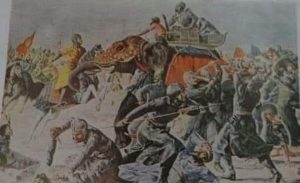
The British Museum has a large collection of Indian sculptures, many of which were acquired during the British colonial period. Some of these sculptures were acquired through legal means, such as purchase or gift. However, many others were acquired through force or coercion. For example, during the 18th century, the British East India Company looted a number of temples and palaces in India, and took the sculptures that they found.
The British Museum has been criticized for its continued possession of these sculptures. Many people believe that the sculptures should be returned to India, where they belong. The British Museum has resisted these calls, arguing that the sculptures are part of its world-renowned collection and that they belong to everyone.

The issue of the British Museum’s Indian sculptures is a complex one. There are strong arguments on both sides of the debate. Ultimately, it is up to the British Museum to decide what to do with the sculptures. However, it is important to remember that these sculptures were taken from India without the consent of the Indian people. They belong to India, and they should be returned.
Here are some of the arguments for and against the British Museum’s continued possession of Indian sculptures:
Arguments in favor of returning the sculptures:
- The sculptures were taken from India without the consent of the Indian people.
- The sculptures are part of India’s cultural heritage.
- The sculptures would be better cared for in India.
- The return of the sculptures would help to heal the wounds of colonialism.
Arguments against returning the sculptures:
- The sculptures are part of the British Museum’s world-renowned collection.
- The sculptures belong to everyone, not just India.
- The sculptures would be better preserved in the British Museum.
- The return of the sculptures would set a precedent for other countries to demand the return of cultural artifacts.

The British Museum is a world-renowned institution, and its collection of Indian sculptures is one of its most prized possessions. However, the museum’s continued possession of these sculptures is a source of controversy. Many people believe that the sculptures should be returned to India, where they belong. The British Museum has resisted these calls, arguing that the sculptures are part of its world-renowned collection and that they belong to everyone. Ultimately, it is up to the British Museum to decide what to do with the sculptures. However, it is important to remember that these sculptures were taken from India without the consent of the Indian people. They belong to India, and they should be returned.
About The Author