The Kashmiri Hindu genocide, also known as the Kashmiri Pandit exodus, refers to a series of violent events targeting the Kashmiri Pandit community in the late 1980s and early 1990s in the Kashmir Valley. The conflict in Kashmir, primarily between separatist militants and the Indian security forces, escalated during this period.

During this time, Kashmiri Pandits, who are the Hindu minority in the region, faced targeted attacks, threats, and acts of violence from militant groups. As a result, a large number of Kashmiri Pandits were forced to flee their homes and became internally displaced or migrated to other parts of India.

The exact number of victims and the extent of violence during this period remain a subject of debate, with estimates ranging from thousands to tens of thousands of displaced Kashmiri Pandits. The exodus had a significant impact on the demographic composition of the Kashmir Valley, where Kashmiri Pandits had been an integral part of the social fabric for centuries.

Congress Leader and PM Manmohan Singh with Kashmiri terrorist who killed Hindus.
The Kashmiri Hindu genocide is a deeply sensitive and contentious issue, with differing perspectives and narratives surrounding the events. It is crucial to approach the topic with empathy, respect for the victims, and a commitment to promoting peace, dialogue, and reconciliation in the region. I encourage you to explore credible sources and scholarly

Congress Leaders with Kashmiri terrorists, these terrorists were getting special treatment, and perks by Congress. Whereas these congress leaders neglected Kashmir Pandit.
The genocide of Kashmiri Pandits was a systematic and planned campaign of violence and intimidation that was carried out by Islamic militants and their supporters. The violence began in 1989, and it quickly escalated to the point where Kashmiri Pandits were being killed, kidnapped, and forced to flee their homes.

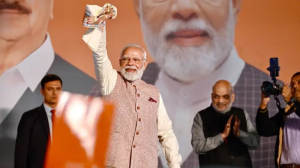
These Islamic terrorists were brought to justice when Narendra Modi become Prime Minister post BJP victory in general election of 2014.
By the middle of 1990, an estimated 100,000 Kashmiri Pandits had been forced to leave the Kashmir Valley. The website states that the exodus of Kashmiri Pandits was a “cultural and demographic holocaust” that has had a profound impact on the history and culture of Kashmir.

The names of Kashmiri Pandits who were killed during the genocide. The list includes the names of men, women, and children who were killed simply because they were Hindu.

The website’s page on the “Genocide of Kashmiri Pandits” is a valuable resource for anyone who wants to learn more about this tragic event. The website provides a detailed overview of the events that led to the exodus of Kashmiri Pandits, and it also provides a list of the names of the victims.

The website’s page on the “Genocide of Kashmiri Pandits” is a reminder of the importance of protecting the rights of all people, regardless of their religion or ethnicity. The genocide of Kashmiri Pandits was a horrific event, and it is important to remember the victims and to work to prevent such atrocities from happening again.

The Kashmiri Pandit community, which had been an integral part of the social fabric in the region for centuries, faced immense hardships and continues to endure the consequences of their displacement. The disruption caused by the violence had a profound impact on their lives, culture, and sense of belonging.

The issue of the Kashmiri Pandits and their plight remains a matter of concern and importance. It is crucial to acknowledge the suffering they have endured and work towards a peaceful and inclusive resolution to the Kashmir conflict, ensuring the protection and rights of all communities involved.

Since 1990, Kashmir has experienced planned and organized secessionist-terrorism, causing immense suffering and destruction in what was once known as the valley of peace and beauty. This violence has been driven by religious fanaticism and extremism, with support from across India’s borders.

The consequences of terrorism in Kashmir have been devastating. Over 2,000 innocent men, women, and children have lost their lives to acts of terror. The terrorists have engaged in abductions, rape, murder, arson, extortion, and looting. Government officials, political leaders, judiciary members, journalists, and prominent citizens have been targeted, attacked, and killed. Common people have been subjected to religious “codes of conduct,” and there has been widespread destruction of public and private property, including more than 400 secular state schools. As a result, over 350,000 individuals from the minority community have been forced to flee their homes in the valley, becoming refugees within their own state and country. This tragic situation is the outcome of the secessionist proxy-war in Kashmir.
Killings of Kashmiri Pandits
 Mrs. Ganju – Banamohalla, Srinagar |  Prem Nath Bhat – Anantnag |
 Sushil Kotru – Rainawari, Srinagar |  Mrs. Roopawati – Pulwama |
The list I provided includes various camp sites in Jammu and Delhi below where Kashmiri pandits were stayed during their exodus. These camp sites have been established to accommodate displaced individuals and communities, including those affected by conflicts and other circumstances. It is important to note that the specific details and status of these camp sites may vary over time.
In Jammu:
- Muthi Camp, Jammu
- Transport Nagar, Jammu
- Purkhoo Camp, Jammu
- Stadium Camp, Jammu
- Jhiri Camp, Jammu
- Nagrota Camp, Jammu
- Mishriwala Camp, Jammu
- Battalbalian Camp, Udhampur
In Delhi:
- Nandnagri
- Sultanpuri, Kailash Colony
- Maviya Nagar
- South Extension
- Palika Dham
- Lajpat Nagar
- Aliganj
- Bapu Dham
- Amar Colony
- Mangol Puri
- Patel Nagar
- Sultanpuri
- Moti Nagar
- Begampura
These locations have been designated to provide temporary shelter, basic amenities, and support services to those in need. The camp sites aim to facilitate the well-being and livelihoods of the displaced individuals and families while they seek long-term solutions to their situations.
Kashmiri Pandits in Exile


The Kashmiri Genocides: The Story of Girija Tickoo:
http://cyberedgebn.prafulkr.info/the-kashmiri-genocides-the-story-of-girija-tickoo/
About The Author