The state of India’s road infrastructure under the central government has become a focal point of intense political debate. While massive investments have been poured into expanding the national highway network, widespread allegations of corruption, structural defects, and inflated costs have prompted scrutiny from opposition parties, civic groups, and independent auditors.
The Infrastructure Controversy
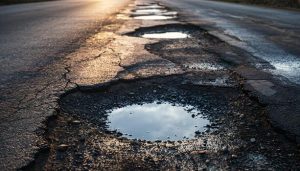
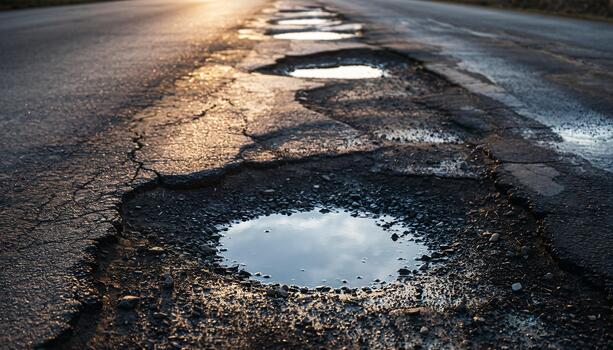
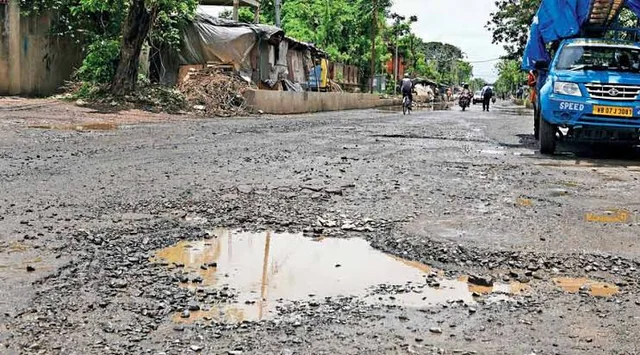
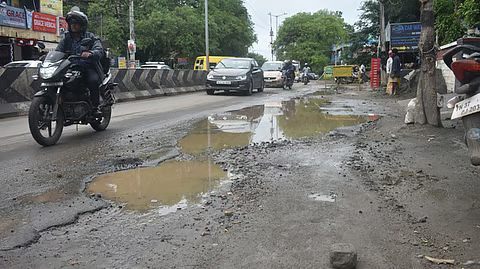
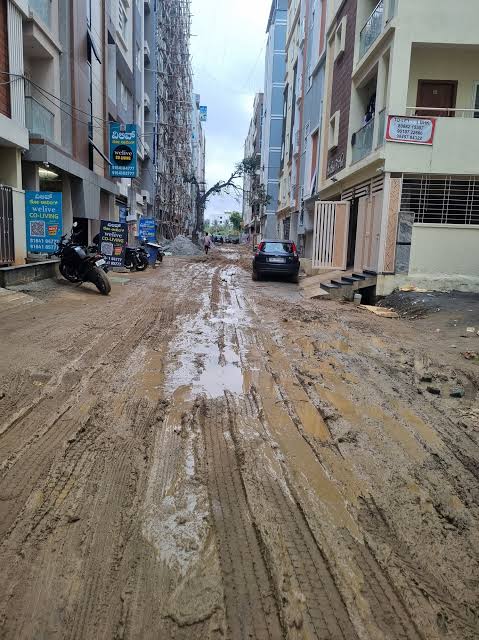
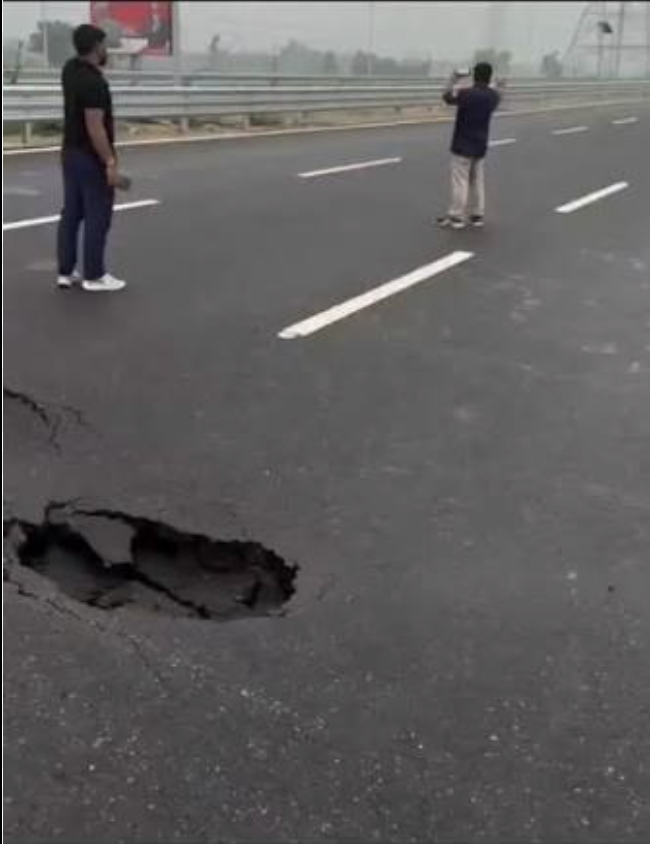
Critics frequently point to premature road damage following monsoon rains as evidence of underlying issues. High-profile mega-projects, such as sections of the Delhi–Dehradun Expressway, the Delhi–Mumbai Expressway, the Samriddhi Expressway, and regional arterial projects like Lucknow’s Green Corridor, have reportedly developed severe defects, potholes, or structural cave-ins shortly after their completion.
Opposition figures allege that a “politician-contractor nexus” is leading to the siphoning of public funds and the use of substandard materials. They argue that the government prioritizes rushing projects for “ribbon-cutting ceremonies” before they are structurally sound, pointing to immediate monsoon collapses as proof of a lack of oversight.
Audits and Investigations
These concerns have been amplified by reports from the Comptroller and Auditor General (CAG) of India, which flagged substantial irregularities in its audits. Most notably, the CAG highlighted a massive 14-fold cost inflation for the Dwarka Expressway—ballooning from an estimated ₹18 crore per kilometer to over ₹250 crore per kilometer—along with bidding deviations within the Bharatmala Pariyojana project.
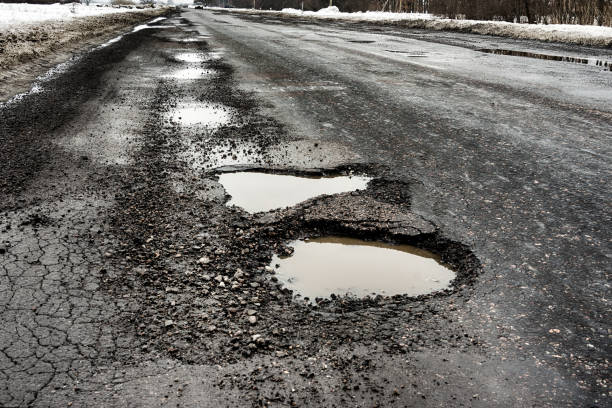
Independent investigative agencies have also verified instances of structural corruption at regional levels. For example, an Enforcement Directorate (ED) raid in Madhya Pradesh unearthed a ₹55 crore scam where contractors allegedly used cheap, local bitumen while presenting fake high-quality bills from oil marketing companies. This substandard construction resulted in roads crumbling after the first rain.
The Government’s Response
In response to these allegations, government and highway authorities attribute many of the structural issues to unprecedented extreme weather and heavy flooding, rather than corruption or poor construction.
They highlight strict penalties for non-compliance, noting that agencies like the National Highways Authority of India (NHAI) have terminated the contracts of firms failing quality tests. Furthermore, authorities have proposed transparency measures to improve accountability. Union Minister Nitin Gadkari has suggested an initiative to introduce public QR codes on roads, which would explicitly name the engineers and contractors responsible for a given stretch, aiming to ensure long-term quality and public oversight.
Conclusion
As India continues its push for infrastructure development, the debate over road quality remains a critical issue. The tension between rapid expansion and rigorous oversight continues to be a central topic of discussion, highlighting the need for transparency and accountability in public works.
Tags: India Infrastructure, Road Construction, Highway Development, CAG Audit, Corruption Allegations, NHAI, Political Debate, Governance
About The Author